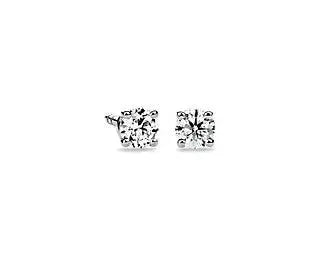
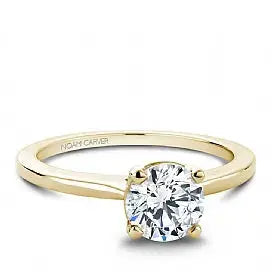
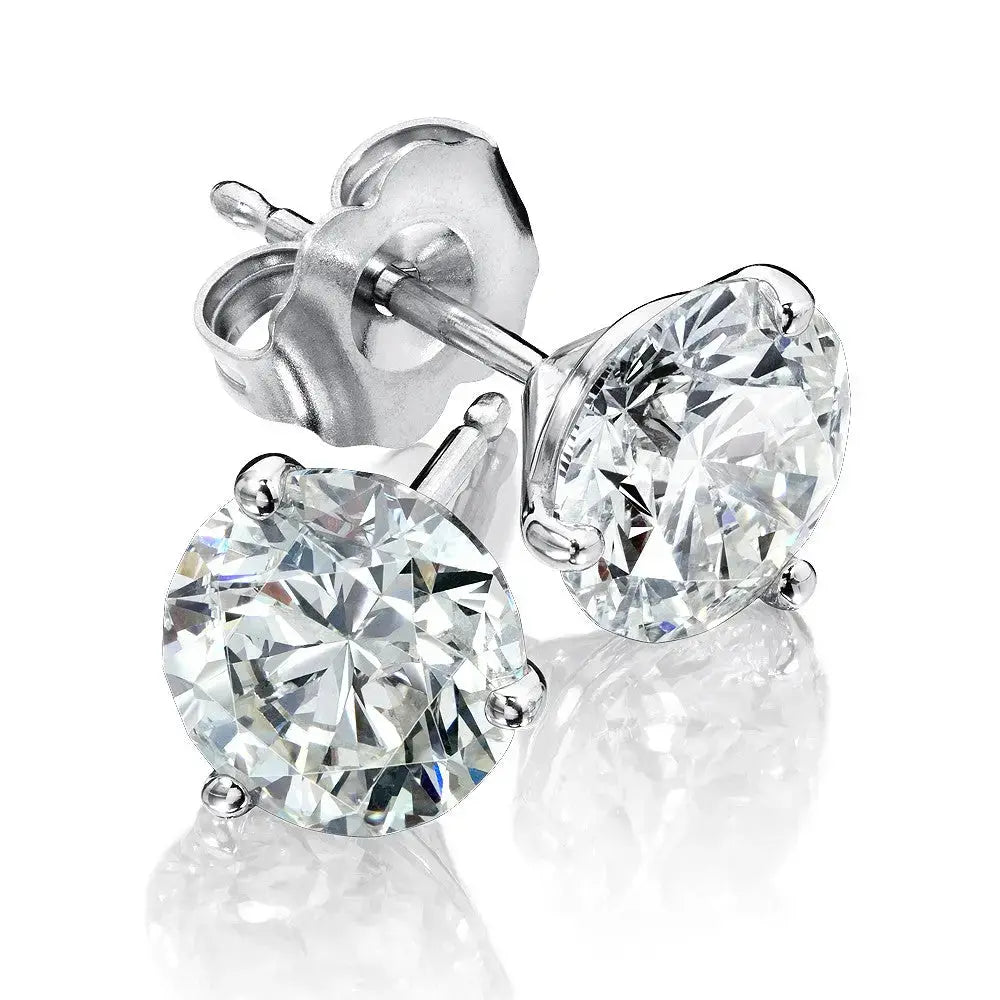
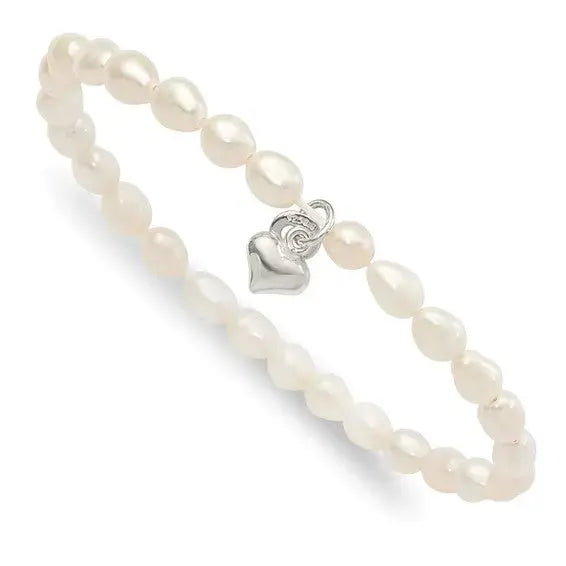
As we explored in our recent diamond blog, today’s jewelry buyers have more choices than ever before. For generations, gemstones used in fine jewelry came exclusively from the earth, formed over immense periods of time beneath the planet’s surface. Today, advances in technology have introduced another option: lab-grown gemstones.
Many shoppers first hear about lab-grown stones when researching diamonds, but the reality is that laboratory-created versions of several gemstones now exist. Sapphires, rubies, emeralds, and other stones can also be created in controlled environments that replicate the conditions found in nature.
For buyers, this expanded landscape of options raises an important question: what exactly is the difference between natural and lab-grown gemstones, and how do you decide which is right for you?
Understanding the basics can make shopping for jewelry far more enjoyable and help ensure the stone you choose reflects both your style and your priorities.
Natural Gemstones: Formed by the Earth
Natural gemstones are often described as nature’s artwork. They are created deep within the earth through geological processes involving intense heat, pressure, and time. In many cases, these stones take thousands, or even millions, of years to form before eventually making their way closer to the surface, where they can be mined.
Because they are formed by natural forces, no two gemstones are exactly alike. Subtle variations in color, clarity, and tiny internal characteristics known as inclusions help tell the story of how each stone formed.
This sense of individuality is part of what makes natural gemstones so appealing. Many buyers appreciate the idea that their gemstone has a geological history that stretches back long before it became part of a piece of jewelry.
Natural diamonds, sapphires, emeralds, and rubies have been treasured for centuries, and their rarity has long contributed to their value and desirability.
Lab-Grown Gemstones: A Century of Science and Style
While lab-grown gemstones may feel like a modern innovation, the science behind them actually dates back more than a century. One of the pioneers of this movement was French chemist Auguste Verneuil, who introduced the flame fusion process in 1902. Known today as the Verneuil process, this method allowed scientists to create synthetic rubies by melting mineral powders with an intense flame and allowing crystals to form as they cooled.
By 1907, Verneuil’s laboratory was producing large quantities of synthetic ruby each year, and these stones quickly found uses far beyond the laboratory. Rather than being viewed as imitations, early lab-grown gemstones were celebrated as impressive achievements of modern science.
During the Art Deco era of the 1920s and 1930s, laboratory-created rubies and sapphires became popular in jewelry because of their vivid color and clarity. Synthetic rubies also played an important role in watchmaking, where they were used as tiny jewel bearings in mechanical watches to reduce friction and prevent wear in delicate movements. Their uniform clarity even made them useful in scientific instruments, and a synthetic ruby crystal was used to produce the first working laser in 1960.
Scientists initially focused on rubies and sapphires because their mineral structure is relatively simple compared to diamonds. Both are varieties of the mineral corundum, which made them easier to recreate in a laboratory than diamonds, which require extraordinary pressure and heat to form.
Today, lab-grown technology has expanded well beyond rubies. Several popular gemstones now have laboratory-created counterparts, including:
-
Ruby
-
Sapphire
-
Emerald
-
Moissanite, a gemstone that is almost always created in laboratories
These stones share the same chemical and optical properties as their natural counterparts, offering another option for buyers who love the look of traditional gemstones.
For many jewelry shoppers, learning that lab-grown gemstones have a history stretching back more than a century adds an interesting perspective. Rather than being a recent trend, they represent a long tradition of scientific innovation alongside the enduring beauty of natural gemstones.
Key Differences Buyers Should Understand
When deciding between natural and lab-grown gemstones, several practical considerations may come into play.
Price is often one of the most noticeable differences. Lab-grown gemstones are typically more affordable than natural stones because they can be produced more efficiently and do not require mining operations.
Uniqueness is another factor. Natural gemstones often contain subtle inclusions and variations that make each stone truly one of a kind. Lab-grown stones tend to be more consistent in appearance due to their controlled production.
Availability can also differ. Natural gemstones are limited by geological conditions and mining output, while lab-grown stones can be produced in greater quantities.
Environmental considerations may influence some buyers as well. Traditional mining can have environmental impacts, while laboratory production avoids the need for mining. However, both natural and lab-grown stones today are subject to increasing standards and oversight.
Ultimately, these differences help buyers evaluate what aspects matter most to them when selecting a gemstone.
Insurance Considerations
Another practical factor many buyers ask about is insurance. Whether a gemstone is natural or lab-grown, it still represents a financial investment and should be protected accordingly.
Both types of stones can be insured under jewelry insurance policies, but the insured value may differ. Because lab-grown gemstones typically have a lower purchase price than natural stones, their replacement value is usually lower as well.
Some insurers may also consider how the value of a gemstone changes over time. Natural gemstones, particularly diamonds, have historically held value more consistently, while lab-grown stones may depreciate differently due to their wider availability.
For this reason, it is always wise to review insurance options with a trusted provider and ensure your jewelry is properly appraised and documented.
Choosing the Right Stone for You
With more gemstone options available today than ever before, choosing between natural and lab-grown stones ultimately comes down to personal preference.
Some buyers are drawn to natural gemstones for their rarity, history, and the idea that their stone formed deep within the earth over millions of years. Others appreciate the affordability and technological innovation behind lab-grown gemstones.
Budget, personal values, style preferences, and the purpose of the jewelry piece can all play a role in the decision.
Many people also find that seeing gemstones in person makes a significant difference in understanding their beauty and characteristics.
A Trusted Guide for Your Jewelry Journey
For more than 100 years, King Jewelers has helped generations of families across the South Shore celebrate life’s most meaningful moments. Whether you are selecting a diamond for an engagement ring, a colorful gemstone for a special gift, or a timeless piece of jewelry to mark an important milestone, expert guidance can make the experience far more enjoyable.
By exploring both natural and lab-grown options, our team can help you find the gemstone that aligns with your style, priorities, and budget.
In the end, the most important factor is not how a gemstone was created, but the meaning it carries. Whether formed deep within the earth or crafted through modern technology, the right gemstone is the one that tells your story.
_____________________________________________________________________________
For over 100 years, King Jewelers has been the South Shore’s trusted destination for fine jewelry, serving Cohasset and the surrounding communities with exceptional craftsmanship and customer service. As a family-owned business, King Jewelers offers an exquisite selection of engagement rings, wedding bands, estate jewelry, gemstones, and timeless pieces for every occasion. Their expert team also provides on-site repairs, appraisals, custom designs, and cash-for-gold services. Whether you're celebrating a milestone or simply looking for something special, King Jewelers is dedicated to helping you find the perfect piece while delivering a personalized and welcoming experience.